Est. 2018 · Registered Zimbabwean Contractor
0772 328 052 info@tawaka.co.zw 33 Western Rd, Greendale, Harare
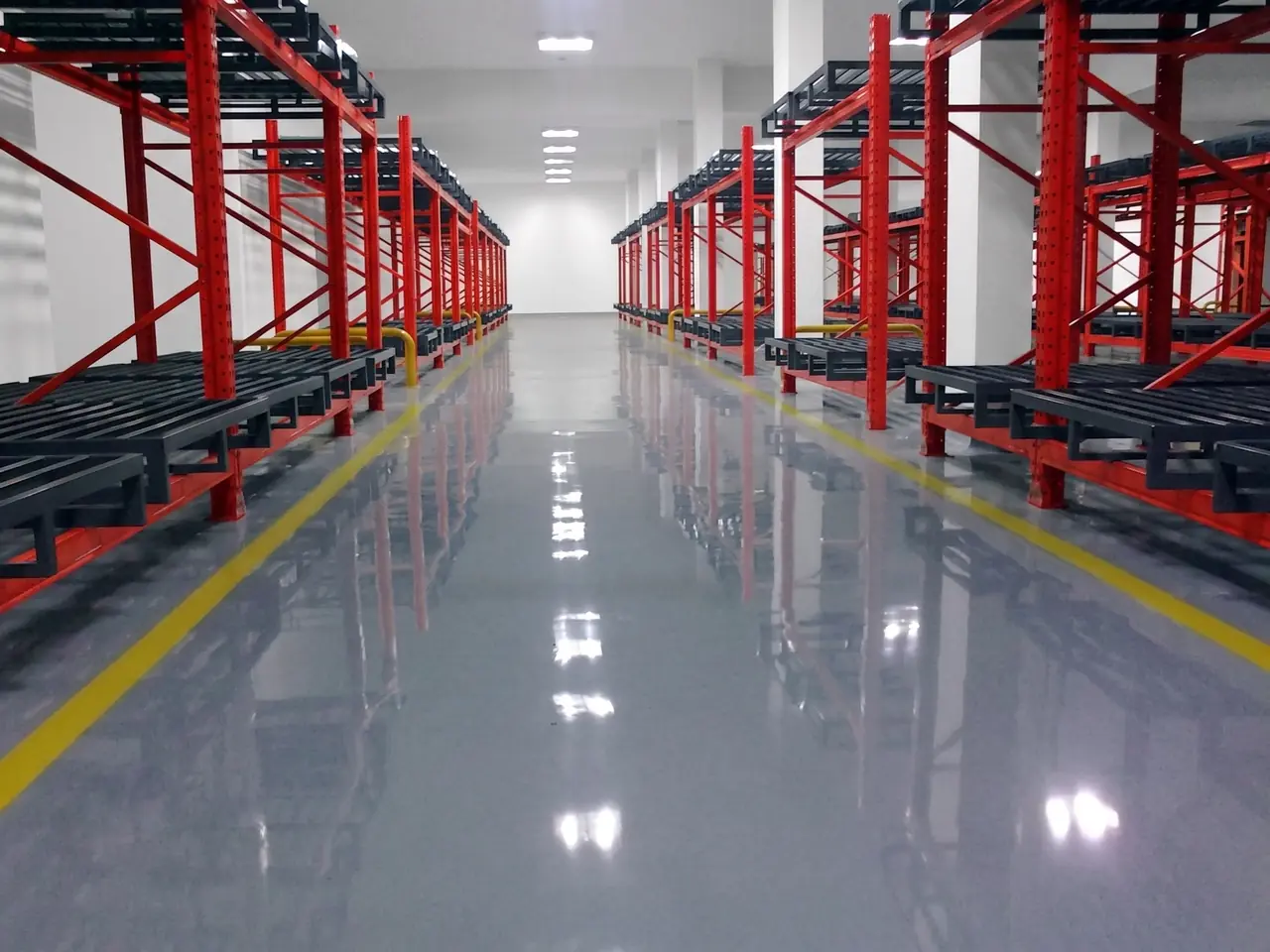
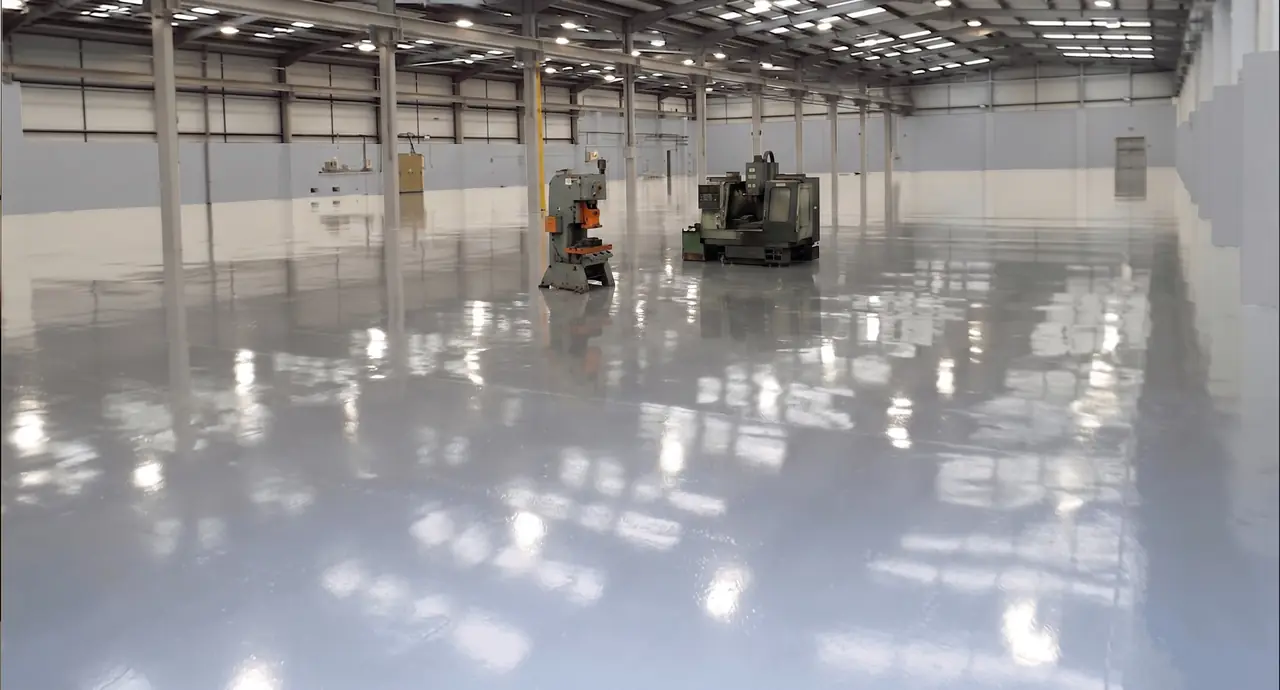
Epoxy flooring Harare — seamless industrial resin floor installed across a warehouse in Pomona, Zimbabwe

Epoxy FlooringWarehouse & GarageSeamless Resin

Epoxy floors thatstay stuck down.

Seamless epoxy resin flooring across Harare for warehouses, workshops, garages and showrooms — installed over properly prepared concrete, because that is the only way resin lasts.

Service overview

The resin is the easy part

Epoxy flooring has a poor reputation in parts of Zimbabwe, and it is deserved — but not because the material is bad. It is because resin flooring is unusually unforgiving of shortcuts, and the shortcuts are invisible once the floor is down.

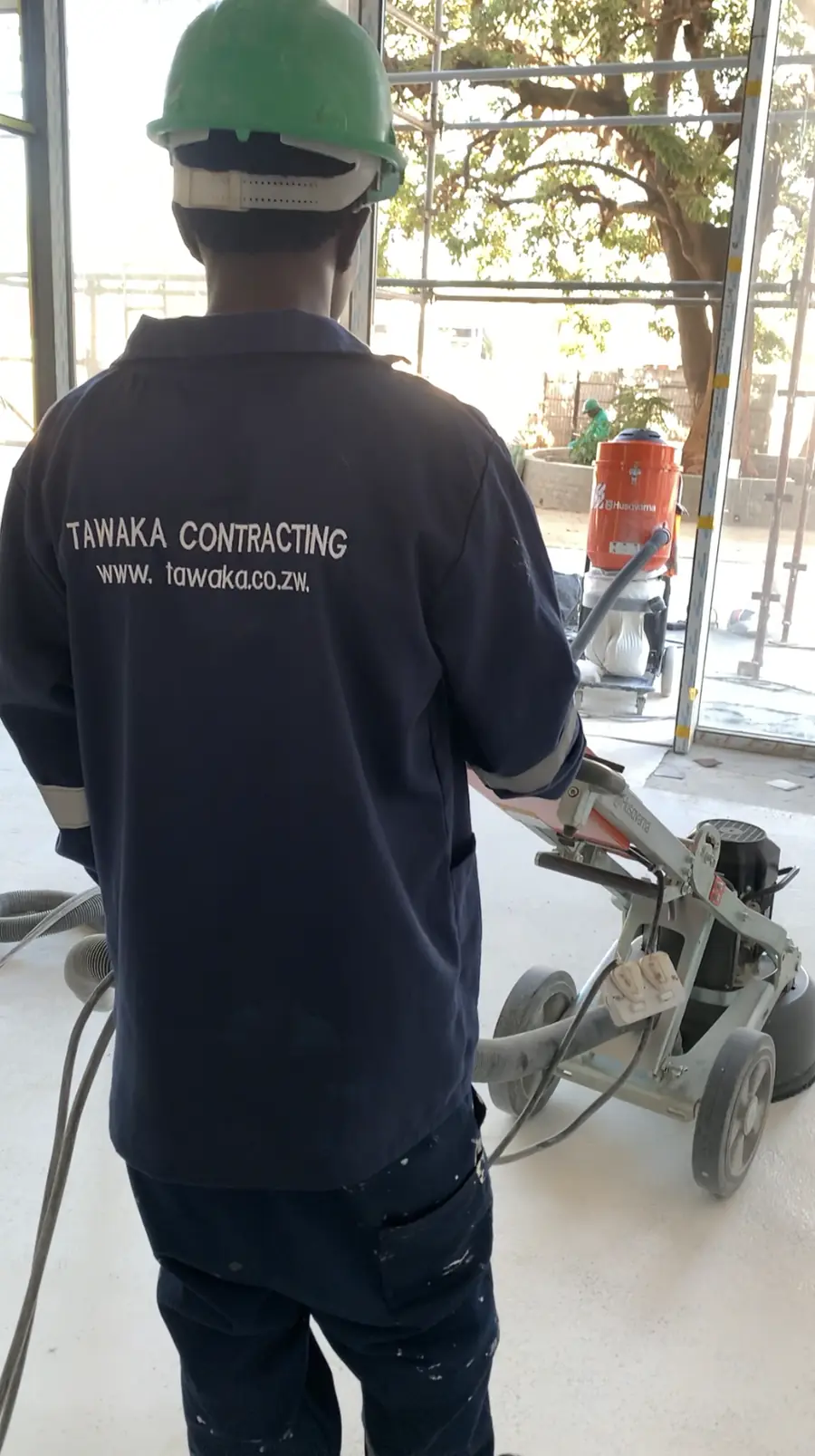
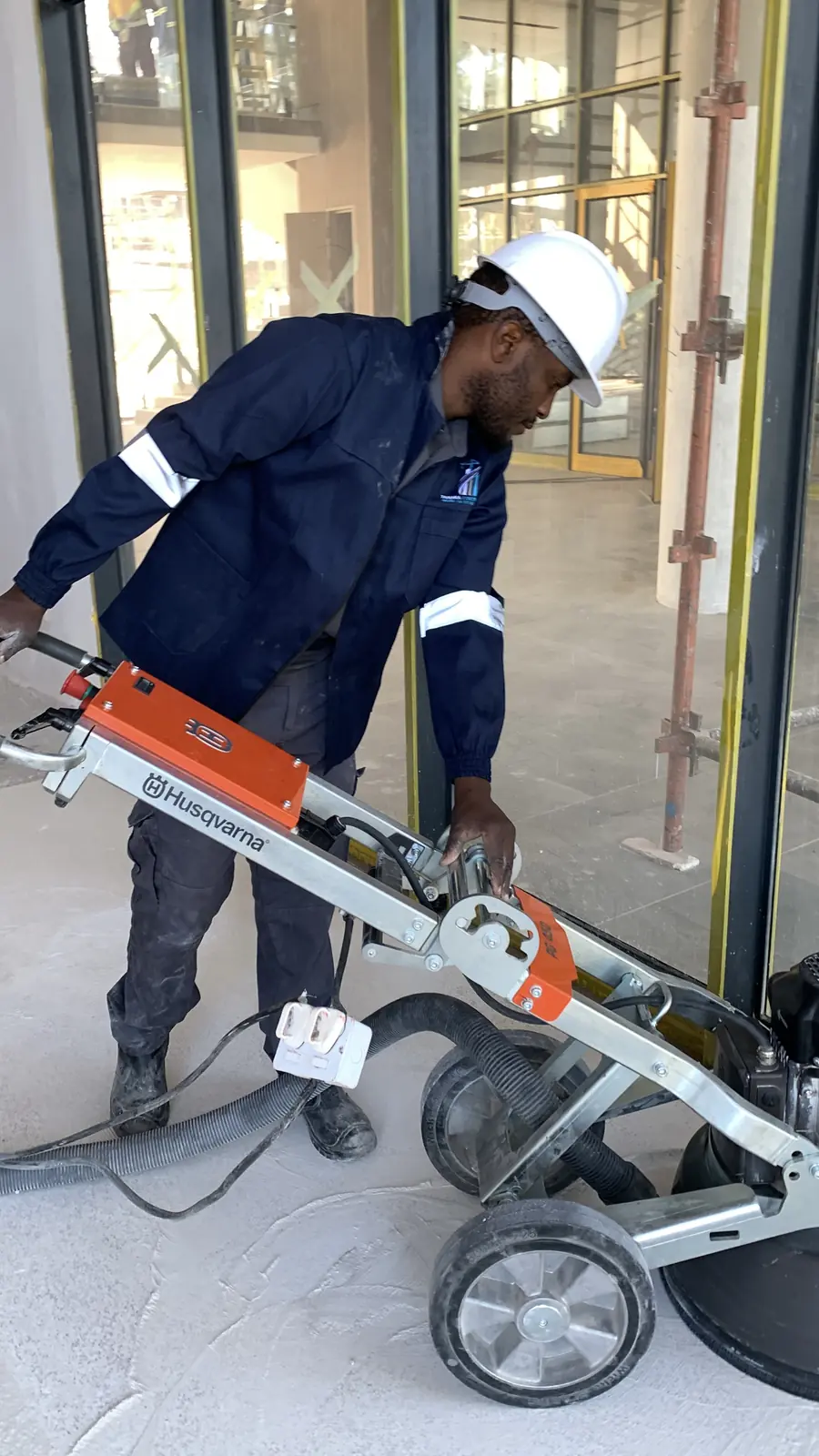
A resin floor is a chemical bond to concrete. If the slab is sealed, polished, oily or damp, there is nothing for the resin to key into. It will look excellent on handover and lift in sheets a year later. That is why we mechanically prepare every slab by diamond grinding or shot blasting, and why we test for moisture before ordering material.

Epoxy flooring in Harare is what we specify where a floor needs to be hard, chemical resistant, dust-free and easy to clean: warehouses, workshops, garages, showrooms, storerooms and interior living areas that suit a seamless finish.

Where a floor faces thermal shock, hot wash-down or significant structural movement, epoxy is the wrong answer and we will tell you so — that is a job for a polyurethane system.
Epoxy floor preparation Harare — Tawaka Contracting operative diamond-grinding a concrete slab with dust extraction before resin application

Why Tawaka

Why our resin floors bond

Six controls, all of them applied before or during installation, all of them impossible to correct afterwards.

  • Mechanical preparation, always — diamond grinding or shot blasting to an open surface profile. We never acid-etch as a substitute.
  • Moisture tested before ordering — a slab with rising moisture needs a damp-suppressant primer or a different system entirely.
  • Mixed by weight, timed — forced-action mixer, full ratio by weight, and material used within its pot life. Eyeballed mixing gives soft, tacky floors.
  • Cracks and joints detailed first — routed out, filled and reinforced before coating, rather than being bridged and left to telegraph through.
  • Correct thickness for the loading — coating, self-levelling or heavy-duty screed selected by traffic and abrasion, not by budget alone.
  • Cure respected before handover — foot, vehicle and chemical cure times observed and adjusted for ambient temperature.

Our process

How an epoxy floor is installed

Seven stages. The first three decide whether the floor survives.

01

Slab survey and testing

We assess surface strength, existing coatings, contamination from oil or curing compound, joint condition and moisture. The results determine the system, not the other way round.

02

Mechanical preparation

Diamond grinding or shot blasting across the full area with dust extraction, opening the concrete to a consistent profile so the primer can key into it.

03

Repairs and joint detailing

Cracks routed out and filled with resin mortar, spalled areas rebuilt, joints detailed correctly, and any blowholes filled so they do not pinhole through the finish.

04

Priming

A penetrating primer sealed into the prepared slab, with a damp-suppressant primer specified where moisture testing requires it.

05

Body coats

Self-levelling resin poured and spike-rolled to release air, or coating applied by roller, at the specified thickness. Flake broadcast into the wet base coat where a flake system is specified.

06

Topcoat, anti-slip and markings

Sealer topcoats applied, anti-slip aggregate broadcast where grip is required, and line markings, walkways and hazard zones set out within the system.

07

Cure and handover

Floor protected during cure, released to foot traffic then vehicle traffic at the correct intervals, walked with you, and handed over with maintenance guidance.

Applications

Residential and commercial epoxy

The same chemistry, specified very differently depending on what drives over it.

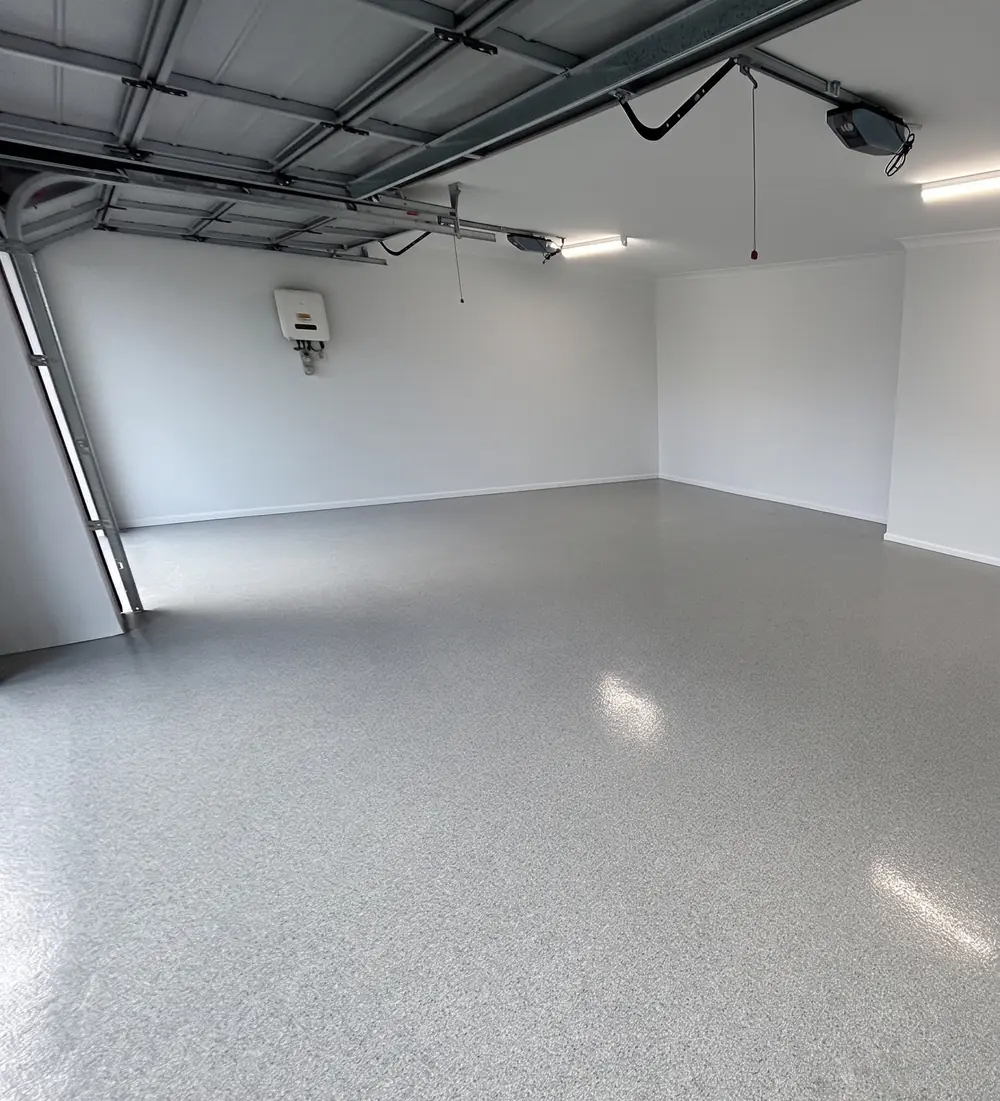
Garage epoxy flooring Harare — decorative epoxy flake floor installed in a residential garage in Highlands, Zimbabwe

Residential epoxy

Homes across Harare where a seamless, oil-resistant, easily washed floor makes more sense than tiles or bare concrete.

  • Domestic garages in decorative flake finish
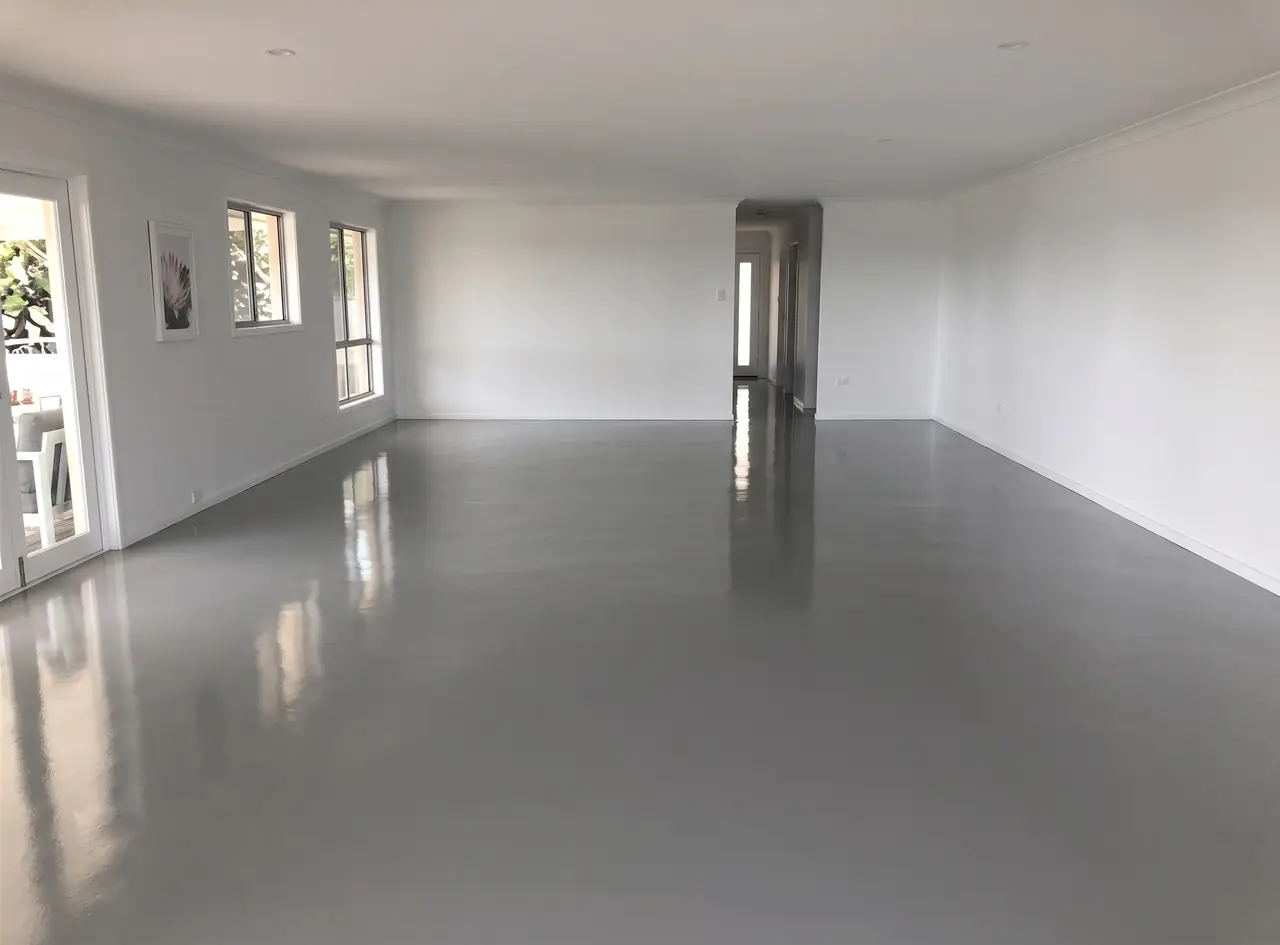
  • Open-plan interior living areas
  • Verandas, patios and covered outdoor areas
  • Laundries, storerooms and utility spaces
  • Staff quarters and outbuildings
  • Driveways and hardstanding in heavy-duty systems
Industrial epoxy flooring Zimbabwe — seamless warehouse resin floor rated for forklift traffic in Harare

Commercial & industrial epoxy

Facilities where the floor is part of the operation — load-bearing, chemically exposed and cleaned constantly.

  • Warehouses and distribution centres
  • Workshops, plant rooms and service bays
  • Showrooms and retail floors
  • Storage and packing areas
  • Line marking, walkways and hazard demarcation
  • Anti-slip wash bays and loading ramps

Materials & systems

Epoxy systems we install

"Epoxy floor" covers a range of build-ups with very different capabilities. We specify from the loading, the exposure and the cleaning regime.

SystemTypical thickness and use
Roller-applied coating300–500 microns. Light-duty storerooms, plant rooms and areas needing dust-proofing and easy cleaning on a budget.
Self-levelling epoxy2–3 mm. The standard smooth seamless floor for warehouses, showrooms and interiors. Flows out flat and hides minor substrate variation.
Epoxy flake system2–3 mm plus flake. Decorative speckled finish for garages, showrooms and utility areas. Disguises marking and adds light texture.
Anti-slip epoxyBase system plus broadcast aggregate. Wash bays, ramps, walkways and any area regularly wet underfoot.
Heavy-duty epoxy screed4–6 mm+. Trowel-applied for forklift traffic, impact loading and heavy industrial abrasion.
Damp-suppressant primerApplied where slab moisture testing requires it, allowing installation over slabs that would otherwise reject a resin system.
Resin mortar repairRebuilding spalled areas, filling routed cracks and reinstating damaged joint arrises before the floor is laid.
Coved skirtingResin cove formed at the wall junction, removing the dirt-trapping corner and allowing floors to be hosed into a drain.
Line markingContrasting resin bands and symbols installed within the system so they do not wear off under traffic.

Benefits

What an epoxy floor delivers

  • No joints, no dust — seamless resin stops concrete dusting, which protects stock, machinery and air quality.
  • Chemical resistance — oils, fuels, greases and most workshop chemicals wipe off instead of soaking in and staining.
  • Fast, cheap cleaning — a seamless floor is scrubbed or hosed rather than scrubbed between grout lines.
  • Brighter working space — light-reflective finishes measurably improve visibility in warehouses, often reducing lighting demand.
  • Safety built in — anti-slip zones and permanent demarcation form part of the floor rather than being repainted every year.
  • Protects the slab — the resin takes the abrasion and impact, extending the working life of the concrete underneath.

Project gallery

Epoxy flooring across Harare

More completed flooring in our project portfolio.

Recent related projects

Epoxy delivered recently

Completed

Warehouse Epoxy Floor

Industrial · Pomona, Harare

Seamless epoxy system installed over a mechanically prepared slab. Dust-free, chemical resistant and rated for daily forklift traffic, delivered in phases so the facility kept operating.

Completed

Garage Flake Floor

Residential · Highlands, Harare

Decorative epoxy flake system in a domestic garage — seamless, oil resistant and sealed under clear protective topcoats for easy washing.

Completed

Open-Plan Interior Resin Floor

Residential · Harare

Seamless resin floor poured through a large open-plan living area and coved to the skirting, leaving no joints to collect dirt.

Questions answered

Epoxy Flooring FAQs

Practical answers from our team in Harare. Still unsure? Ask us directly.

Why does epoxy flooring fail, and how do you prevent it?

Almost every epoxy failure comes down to one of three things: inadequate mechanical preparation, moisture in the slab, or incorrect mixing of the two components.

We diamond-grind or shot-blast every slab back to a sound open profile, test for moisture before ordering material, and mix strictly by weight with a forced-action mixer and a timed pot life.

Do you test the concrete before quoting?

Yes. We check the slab for moisture, surface strength, contamination from oils or curing compounds, and existing coatings. All four change the specification.

Quoting an epoxy floor without testing the slab is guessing, and it is the reason so many resin floors in Zimbabwe delaminate within a year.

How long before we can use the floor?

Light foot traffic is normally possible around 24 hours after the final coat, vehicle traffic after roughly 72 hours, and full chemical resistance develops over about seven days.

Cure times depend on ambient temperature. In cooler months we extend them rather than releasing the floor early.

Can epoxy be applied over an existing epoxy floor?

Sometimes. If the existing system is well bonded and compatible, we can abrade and overcoat. If it is delaminating, contaminated or of unknown type, it must come off.

We take core samples or do adhesion pull tests where there is doubt, because overcoating a failing floor simply buys a few months.

What is a flake floor?

A flake or chip system broadcasts coloured vinyl flakes into a wet base coat, then seals them under clear topcoats. It gives a speckled decorative finish that also hides dust and minor marking.

It is popular for domestic garages and showrooms, and the flake layer adds a slight texture that improves grip compared with a plain gloss floor.

Is epoxy flooring slippery when wet?

A smooth gloss epoxy is slippery when wet, so we do not specify it for wash-down areas or ramps without modification. Anti-slip aggregate is broadcast into the topcoat where grip matters.

We match the aggregate grade to the use — fine for showrooms and walkways, coarse for wash bays and loading ramps.

Will epoxy crack if the concrete underneath cracks?

Yes. Epoxy is a rigid system and it bridges only very fine hairline cracks. A moving structural crack will telegraph through.

Where a slab has active movement we either detail the joint properly or recommend a flexible polyurethane system instead.

Can you install line markings and demarcation?

Yes. Walkways, forklift routes, hazard zones, bay markings and safety symbols are set out and applied as an integral part of the floor, not painted on top afterwards.

Because the markings sit within the system, they do not wear off under traffic the way surface-applied paint does.

How thick is an epoxy floor?

It depends on the system. A roller-applied coating is a few hundred microns; a self-levelling floor is typically two to three millimetres; a heavy-duty screed can be six millimetres or more.

Thickness is specified by the loading and abrasion the floor has to take, not by budget alone.

Is epoxy suitable for food preparation areas?

Epoxy gives a seamless, impervious, easily cleaned surface which suits many food environments. However, where there is thermal shock from hot wash-down or steam, polyurethane performs better.

We would discuss a polyurethane system for those areas rather than defaulting to epoxy.

Can you work while our facility keeps operating?

Usually yes, by phasing the floor in sections so part of the facility stays in use while another section cures. This extends the programme but avoids a full shutdown.

We plan the phasing with you around your operational priorities before work starts.

How do I maintain an epoxy floor?

Sweep or scrub regularly, wash with a neutral detergent, and deal with spills promptly. Avoid dragging sharp steel edges across it.

Refresh coats can be applied years later to restore appearance without removing the base system.

Where we work

Epoxy Flooring across Harare

We work from 33 Western Road, Greendale, and cover Harare and the surrounding suburbs. Travel time matters on a project like this — being local means we can get back to site quickly if something needs attention after handover.

Outside these areas? Tell us where the property is and we will let you know honestly whether we can deliver our standard there.

  • Greendale
  • Borrowdale
  • Highlands
  • Avondale
  • Mount Pleasant
  • Marlborough
  • Belgravia
  • Chisipite
  • Newlands
  • Glen Lorne
  • Msasa
  • Pomona
  • Westgate
  • Hatfield
  • Ballantyne Park
  • Kamfinsa

Request a Epoxy Flooring quote

Tell us the property, the suburb and roughly what needs doing. We will visit, measure properly and send an itemised quotation — no obligation.

Request a Quote WhatsApp Us